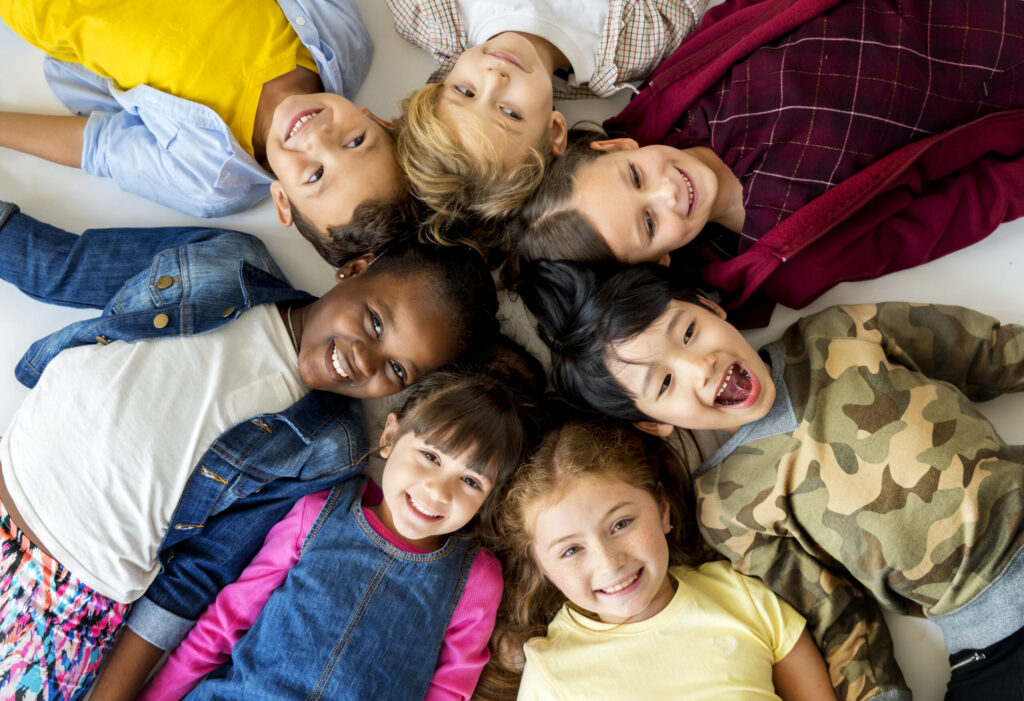
July is Social Wellness Month, a time dedicated to recognizing the profound impact that human connection has on our health, happiness, and overall well-being.
Social wellness is about more than being social. It is about the quality of our relationships, the sense of belonging we carry with us, and the degree to which we feel seen and supported by the people around us. Research consistently shows that strong social connections are tied to better physical health, improved mental health outcomes, and greater resilience in the face of adversity.
For CASA of the Eastern Panhandle, Social Wellness Month is a natural fit. Connection is not just a theme for us. It is the foundation of everything we do.
What Social Wellness Means for Children in the Child Welfare System
For most people, social wellness is built gradually over a lifetime. It comes from stable family relationships, consistent friendships, involvement in school and community, and the quiet accumulation of experiences that tell a person they belong somewhere.
Children in the child welfare system often face significant barriers to that kind of connection. They may have experienced abuse, neglect, or loss of a caregiver. They may have moved between multiple homes or schools, making it difficult to build and maintain friendships. They may carry trauma that makes trust feel risky.
The result is a kind of social isolation that compounds every other challenge they face. When a child does not feel connected to a stable, caring adult, everything else becomes harder. School performance suffers. Mental health declines. The ability to imagine a positive future grows dimmer.
This is not a small thing. It is one of the most powerful interventions available to any child in crisis. And it is exactly what a CASA volunteer provides.
The CASA Volunteer as a Social Wellness Anchor
When a child is assigned a CASA volunteer, they gain something they may not have had in a long time: a consistent adult who shows up just for them.
CASA volunteers are not counselors, caseworkers, or judges. They are trained community members who make a commitment to get to know a child, understand their needs, and advocate for their best interests in court. They attend school events, meet with teachers, check in with foster families, and spend time simply being present.
That presence matters more than it might seem. For a child who has learned not to rely on adults, a CASA volunteer who keeps showing up sends a powerful message. You are worth someone’s time. You matter. Someone is paying attention.
Over weeks and months, that relationship becomes a foundation. It is a source of stability in a system that can feel unpredictable and overwhelming. It is, in the truest sense, a social wellness intervention.
Social Wellness Starts With All of Us
Social Wellness Month is also a reminder that connection is something we can all cultivate and contribute to, not just in our personal lives, but in our communities.
Every child served by CASA-EP exists within a broader web of relationships: teachers, coaches, neighbors, mentors, and community members who may not even realize the role they play. When an adult in a child’s life takes a moment to encourage them, notice them, or simply treat them with warmth and consistency, that moment is not insignificant. It is part of building the social wellness that every child needs to thrive.
CASA-EP’s volunteer advocates are living proof of that. They come from every walk of life. They are business owners and retirees, teachers and tradespeople. What they share is a willingness to show up consistently for a child who needs them.
Ways to Practice Social Wellness This July
Whether or not you are in a position to become a CASA volunteer right now, there are meaningful ways to invest in social wellness for the children and families in our community this month.
- Become a CASA volunteer. The most direct way to provide social connection to a child in need is to become a trained advocate. Learn more at mycasaep.org/volunteer.
- Mentor a young person. Mentorship opportunities exist throughout Berkeley, Jefferson, and Morgan counties. A consistent, positive relationship with an adult outside the home can be life-changing for a child.
- Check in on families in your community. Summer can be an isolating time for families under stress. A neighbor, a coworker, or a fellow parent may be struggling more than they let on.
- Support organizations that build connection. CASA-EP, local youth programs, and community centers all work to create spaces where children and families feel they belong. Your support, whether financial or through volunteering, helps sustain those spaces.
- Reflect on your own social wellness. July is a good time to evaluate the quality of your own relationships and the investment you are making in the people around you. Strong communities are built one relationship at a time.
Connection Changes Everything
At CASA-EP, we see every day what happens when a child who has been disconnected finds someone who will not give up on them. We see grades improve. We see children open up. We see young people begin to believe that their future is worth investing in.
That transformation does not require a program or a policy change. It requires a person. A consistent, caring, present adult who shows up and keeps showing up.
This Social Wellness Month, we invite you to consider what role you might play in a child’s story. The need is real. The opportunity is here.
To learn more about becoming a CASA volunteer or supporting our work, visit mycasaep.org.