
Every child deserves safety, stability, and the opportunity to thrive. But for hundreds of children and teens across the Eastern Panhandle, the reality of abuse, neglect, instability, and trauma can put their futures at risk long before they reach adulthood. Without consistent support, many of these youth face increased likelihood of school failure, homelessness, mental health struggles, and repeated involvement in the child welfare system.
At CASA of the Eastern Panhandle (CASA-EP), our mission goes far beyond the courtroom. While our volunteer advocates provide critical oversight during abuse and neglect cases, our prevention-focused programs—Fostering Futures Forward, Educational Advocacy, and the CASA Mentorship Program—are designed to reduce long-term risks and create stability, connection, and hope that lasts long after a case closes.
Below are some of the ways CASA-EP works every day to interrupt cycles of trauma and help young people build stronger futures.
Fostering Futures Forward: Stability Through Connection and Skill-Building
Teens aging out of foster care face some of the highest risks of adverse outcomes:
• homelessness
• unemployment
• mental health crises
• lack of adult support
• involvement in the justice system
Fostering Futures Forward directly addresses these realities by ensuring that at-risk teens are not left to navigate adulthood alone. Through group activities, life-skills workshops, leadership summits, and ongoing support, CASA gives youth opportunities that many have never had access to.
How it prevents adverse outcomes:
- Building social-emotional skills
Activities like self-reflection workshops, equine-assisted learning, and team-based projects help youth understand their strengths, regulate emotions, and work through stress—skills proven to reduce risky behaviors. - Creating community and belonging
Events such as the Youth Leadership Summit, vision board nights, and group outings help youth build peer connections. For many, it’s the first time they’ve been surrounded by others who understand their lived experiences. - Supporting continuity and sibling connections
Fostering Futures events often reunite siblings placed in different foster homes, strengthening natural supports that protect against isolation and emotional distress.
Real-life impact:
Youth have shared that programs like the Leadership Summit helped them grow in confidence, understand their goals, and feel truly supported by adults who show up consistently—something many had never experienced before.
Educational Advocacy: Protecting Academic Stability & Preventing Dropout
When a child enters foster care, their education is often disrupted—multiple school moves, trauma-related behavioral challenges, and unmet special-education needs can derail progress quickly.
CASA-EP’s Education Advocacy program ensures that children receive the academic support they need at every step.
How it prevents adverse outcomes:
- Early identification of academic barriers
Education Advocates attend school meetings, review IEPs, and coordinate with teachers to ensure students receive appropriate accommodations and support. - Reducing school instability
CASA advocates fight to keep children in their home schools when possible, or to ensure smooth transitions when moves are unavoidable—helping maintain routine and limit learning loss. - Strengthening communication between agencies
By working alongside teachers, counselors, Community in Schools coordinators, and caregivers, CASA ensures that academic needs are never overlooked as a case unfolds. - Introducing life-skills instruction in high schools
CASA is now partnering with Community in Schools to offer Life Skills Groups at Jefferson High School. These sessions empower students to build confidence, develop essential adulting skills, and strengthen resilience—key factors that reduce dropout risk and increase long-term stability.
Real-life impact:
CASA has advocated for emergency school transportation, helped secure evaluations for learning disabilities, and connected youth to tutoring or mental health services—interventions that can be life-changing.
CASA Mentorship Program: Preventing Disconnection Through One-on-One Guidance
Many teenagers in care lack stable, long-term adult relationships—a known predictor of homelessness, unemployment, and emotional instability later in life.
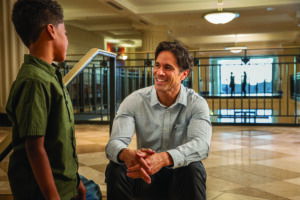
The CASA Mentorship Program pairs trained adult mentors with teens who need consistent guidance and positive role models.
How it prevents adverse outcomes:
- Positive adult connection
Mentors help teens navigate challenges, set goals, and develop the confidence to pursue their future. - Modeling healthy relationships
Many youth have never had emotionally safe adults in their lives. Mentors show what steady, reliable, caring support looks like. - Encouraging long-term planning
Mentors help teens explore interests, career paths, education options, and long-term goals.
Real-life impact:
One mentor said of his experience:
“They’re interesting, funny, smart, talented… and really maybe the most impressive thing is how they rise above their situations and they’re successful despite the difficulties they experienced.”
This belief in young people—and the steady presence that comes with it—is powerful protection against isolation, dropout, and despair.
A Prevention Mindset at Every Level
Across every program, CASA-EP operates with the same core principle:
early support prevents future crises.
Whether through safety planning, mental health referrals, life-skills coaching, or simply showing up consistently, CASA makes long-term stability far more attainable for youth who often feel forgotten by the systems around them.
Your Support Helps Prevent Future Trauma
Every volunteer advocate, donor, mentor, and community partner strengthens CASA’s ability to reach more children and prevent adverse outcomes before they take root.
When you support CASA-EP, you are investing in:
- safer homes
- stable education
- stronger families
- confident teens
- healthier futures
And most importantly, you’re giving each child what every child deserves:
someone in their corner, fighting for their well-being.
To learn more or get involved, visit mycasaep.org.