At CASA of the Eastern Panhandle, we know that the work of building confident, resilient young people starts early. That belief is what led us to launch something brand new this summer: the Jr. Leadership Summit.
Designed specifically for our younger youth, the Jr. Leadership Summit is a three-day program built around the same core values as our annual Youth Leadership Summit, but tailored to meet kids where they are. Over the course of three days, participants explored emotional regulation, mindset, and resilience through hands-on activities that made big concepts accessible, engaging, and genuinely fun.
Here is a look at what each day brought.
Day 1: Controlling Your Fizz
The first day set the tone for the entire summit. Participants explored what it means to manage big emotions, specifically, how to keep cool when life feels like it is bubbling over.
The concept of “controlling your fizz” gave kids a concrete and relatable way to think about emotional regulation. When we get shaken up, we have a choice about whether we explode or find a way to let the pressure out safely. That lesson came to life through two activities that participants will not soon forget: making lemonade in a bag and launching bottle rockets.
The energy in the room on Day 1 said everything. These kids were engaged, excited, and already beginning to connect what they were doing with how they feel in real life.
Day 2: Fixed vs. Growth Mindset and the Power of Yet
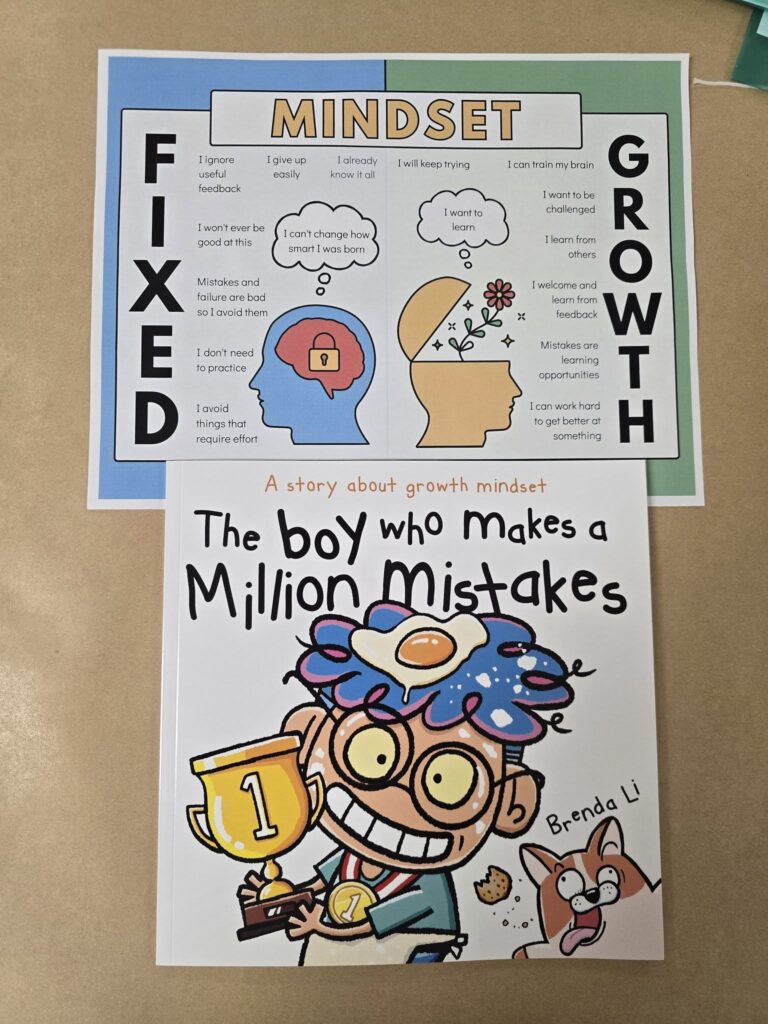
Day 2 introduced one of the most powerful ideas we can give a young person: the difference between a fixed mindset and a growth mindset.
A fixed mindset says “I can’t do this.” A growth mindset says “I can’t do this yet.” That single word, yet, opens a door. It shifts the conversation from limitation to possibility and gives kids permission to struggle without giving up.
Participants put that mindset to work in a hands-on engineering challenge: building boats out of aluminum foil. The goal was simple. The execution required problem-solving, patience, and a willingness to try again when something did not work. It was the perfect physical metaphor for everything they were learning.
Watching kids iterate, adjust, and celebrate their successes was a reminder of just how capable young people are when they are given the space and encouragement to try.
Day 3: Letting Go of Worries
The final day of the summit turned toward something every child carries: worry.
Children who have experienced instability often carry worries that are far too heavy for their age. Day 3 gave them a simple, symbolic, and surprisingly powerful way to acknowledge those feelings and begin to release them. Each participant wrote down something that was weighing on them, placed it inside a balloon, blew it up, and let it go.
It sounds simple. But for many of these kids, having a safe space to name what they are carrying, and then physically release it, was a meaningful moment.
The day closed on a high note with face painting and games, sending participants home with smiles, lighter hearts, and the kind of joy that comes from three days of being seen, supported, and celebrated.
A Community That Shows Up
Every participant left the Jr. Leadership Summit with a blanket and a bag, generously donated by the Linus Project. It was a tangible reminder that their community cares about them, and that they do not walk this road alone.
Thank you to the Linus Project for wrapping our youngest participants in comfort and care. Your generosity made the end of an already meaningful week even more special.
Just the Beginning
The Jr. Leadership Summit is more than a new program. It is a commitment to meeting children at every stage of their development and giving them the tools they need to grow into confident, resilient young people.
We are incredibly proud of everything our participants accomplished. The courage it takes to show up, engage, and be vulnerable in a group setting is not small. These kids showed up fully, and we are honored to be part of their stories.
This is just the beginning. We cannot wait to see what this program grows into.
To learn more about CASA-EP’s programs and how you can support the work we do, visit mycasaep.org.